
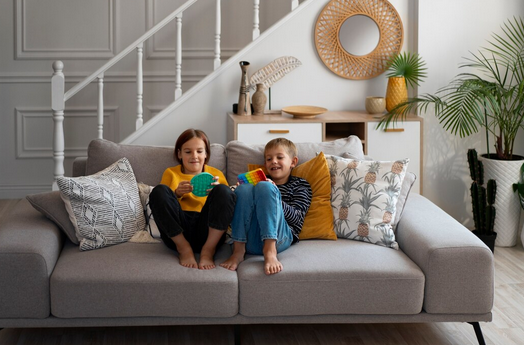
Smart Space Planning Tips for Growing Families
As families grow, so do their needs, and smart space planning becomes essential to keep the household running smoothly. Whether you’re welcoming a new baby or simply outgrowing your current layout, thoughtful design can help you maximize every square foot without sacrificing comfort. Resources like this guide to picking a family-friendly home base offer insight into what to prioritize when choosing or designing a home that can adapt over time. With flexible spaces, clever storage solutions, and long-term thinking, your home can grow right alongside your family.
Maximize Multi-Use Rooms
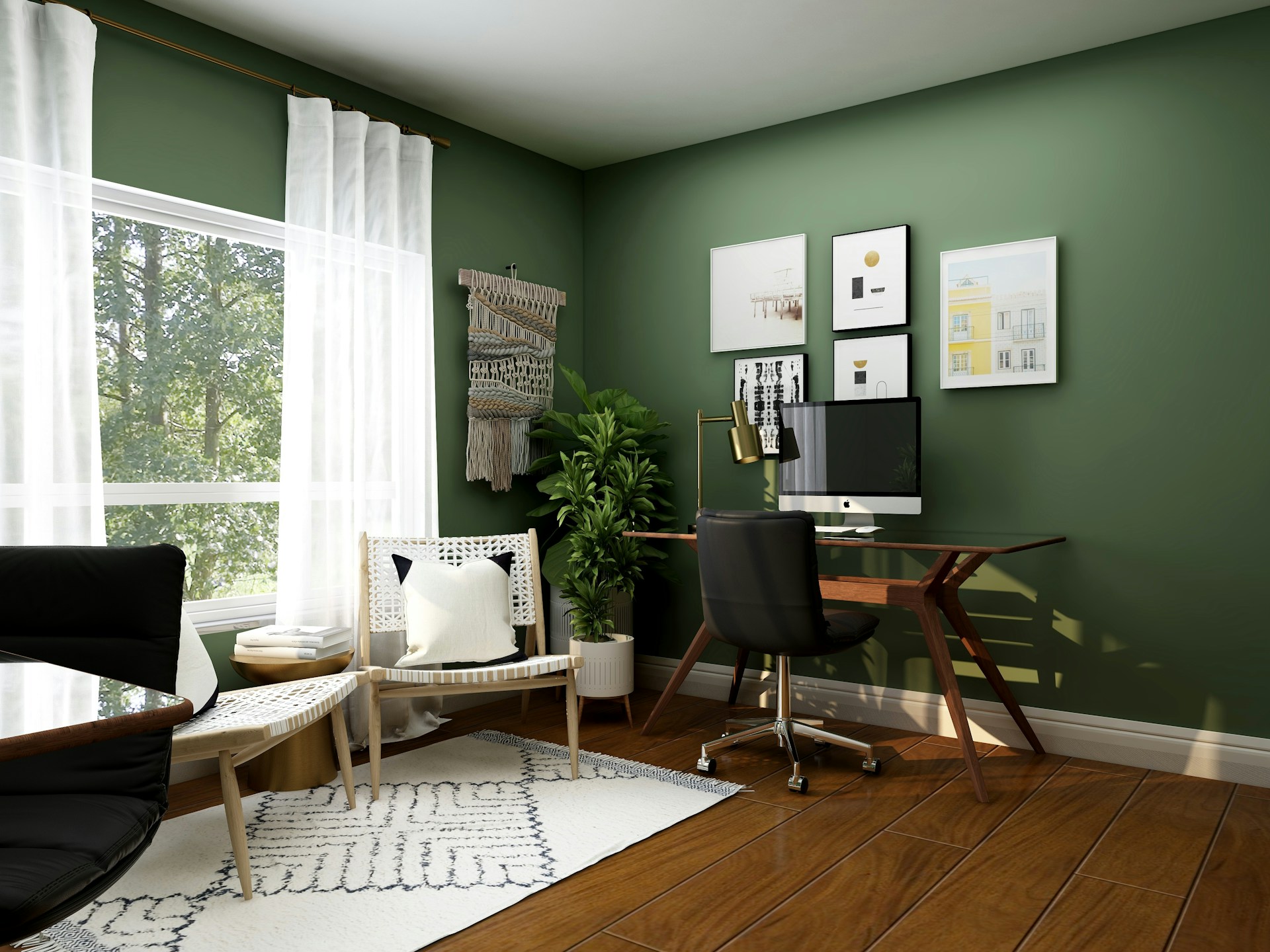
In a growing family, rooms need to work harder. Spaces like a guest room can double as a home office or a playroom that can later be converted into a study area. Investing in furniture that can serve more than one purpose—such as sleeper sofas, foldable desks, or storage ottomans—allows one room to shift as your family’s needs change. Creating rooms that serve dual functions ensures long-term flexibility without sacrificing comfort or style.
Make Storage a Priority
A family that’s expanding often faces an ever-growing collection of clothes, toys, gadgets, and gear. Smart storage solutions are essential. Use vertical space by installing shelving, wall hooks, and built-in units. Under-bed drawers, bench seating with hidden compartments, and closet organizers help maximize limited areas. Assigning specific zones for items also makes it easier to keep everything tidy. When storage is thoughtfully designed into every room, the entire home feels more open and organized.
Create Defined Zones Within Shared Spaces
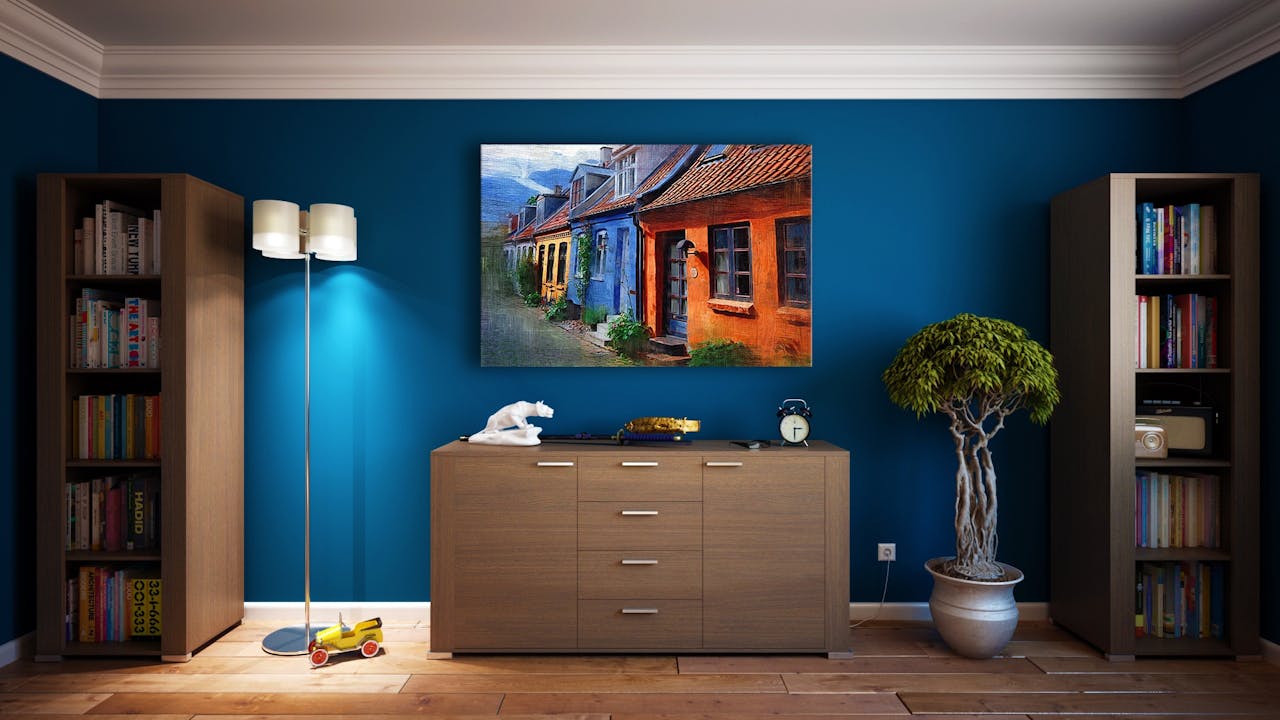
Open floor plans are popular for their spacious feel, but they can become chaotic without clear zones. Define specific areas for different activities within larger spaces. For example, set up a quiet reading corner in the living room with a rug and lamp, or designate a portion of the kitchen for homework and crafts. These subtle divisions help manage noise, minimize clutter, and give each family member a place to call their own—even in shared rooms.
Plan for Traffic Flow and Accessibility
As your household grows, so does the daily movement throughout your home. Avoid crowded hallways and bottlenecks by leaving enough space between furniture and in walkways. In high-traffic areas like the kitchen or entryway, choose compact, streamlined furniture to ease movement. Entry points should have dedicated drop zones for bags, shoes, and coats to reduce mess and improve accessibility. Efficient flow not only makes the home feel more spacious but also supports smoother daily routines.
Invest in Long-Term Flexibility
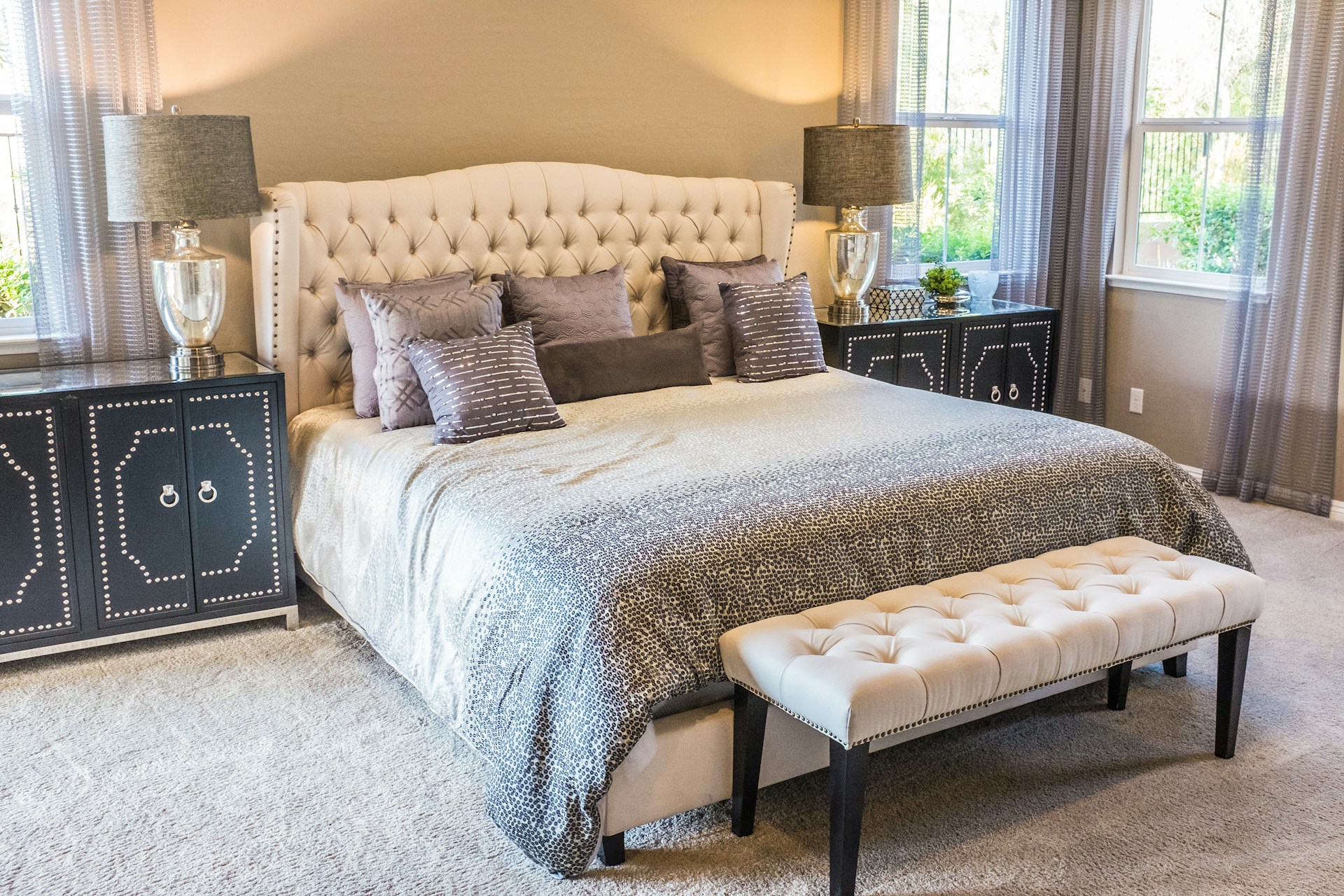 Instead of constantly reconfiguring your home as your family changes, design with long-term flexibility in mind. Use neutral finishes and timeless materials that can suit different age groups. Bedrooms should have layouts that can evolve from a nursery to a teen’s retreat. Modular furniture and removable room dividers also allow for easier updates without major renovations. Planning with the future in mind saves time, money, and energy in the long run.
Smart space planning is the foundation of a home that truly works for a growing family. By focusing on flexibility, …


