

Designing Your Dream Home: How to Work Closely With Your Architect
Building your dream home is a monumental project, and at the heart of this endeavor is your partnership with an architect. This creative collaboration can transform your ideas and aspirations into a beautifully designed, functional living space. To make the most of this partnership, it’s essential to know how to work closely with your architect. In this article, we’ll explore the dynamics of this relationship and offer tips from www.tc.de on how to ensure a harmonious and productive collaboration, all in a friendly and informative tone.
Start With a Clear Vision

Before you even meet with an architect, take the time to envision your dream home. Consider your lifestyle, preferences, and needs. Think about the architectural styles you love and the features that matter most to you. The more clarity you have about your vision, the easier it will be to communicate it to your architect.
Communicate
Open and honest communication is the cornerstone of a successful partnership with your architect. Here’s how to foster effective communication:
- Be upfront about your budget, timeline, and any specific requirements.
- Share your ideas, inspirations, and even concerns freely.
- Ask questions and seek clarification when needed. Architects appreciate clients who are engaged and curious.
Establish Realistic Expectations
While architects can work wonders, they also operate within practical constraints. Be prepared to strike a balance between your dreams and the realities of construction. Your architect can help you navigate this delicate equilibrium by providing expert guidance on what is feasible within your budget and local building regulations.
Trust Your Architect’s Expertise
Architects are professionals with years of training and experience. Trust their judgment and expertise when it comes to design principles, materials, and construction methods. Be open to their suggestions and recommendations, as they can often enhance your project in ways you might not have considered.
Prioritize Must-Haves
Identify your must-have features and prioritize them. This will help your architect focus on what’s most important to you. Whether it’s a spacious kitchen, a home office, or a stunning outdoor living area, clear priorities ensure that your dream home reflects your unique desires.
Embrace Flexibility
Home construction can be unpredictable, with unforeseen challenges and opportunities along the way. Embrace flexibility and be prepared to adapt your plans if necessary. Your architect can help you make informed decisions when unexpected circumstances arise.
Be Involved in the Design Process

Your architect will guide you through the design process, but your input is invaluable. Participate actively in design reviews, meetings, and decisions. Your collaboration with the architect should be a true partnership, with both sides contributing to the creative process.
Respect Timelines and Deadlines
Timelines are essential in construction projects. Respect the agreed-upon schedules and deadlines to keep the project on track. Delays can be costly and can disrupt the entire process, so be mindful of your commitments.
Celebrate Milestones Together
Building your dream home is a journey filled with milestones. Celebrate these achievements with your architect and the construction team. It fosters a positive atmosphere and reinforces a …
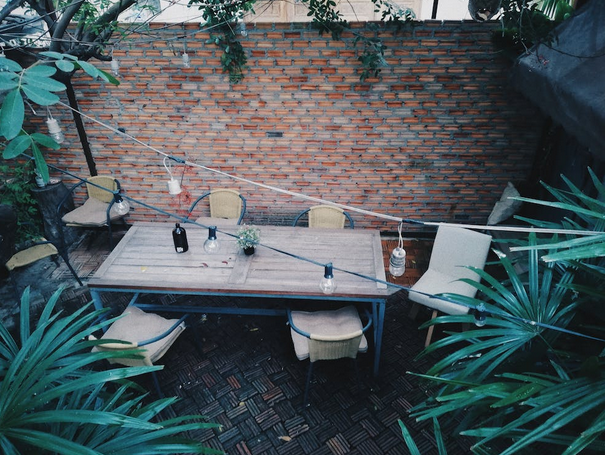
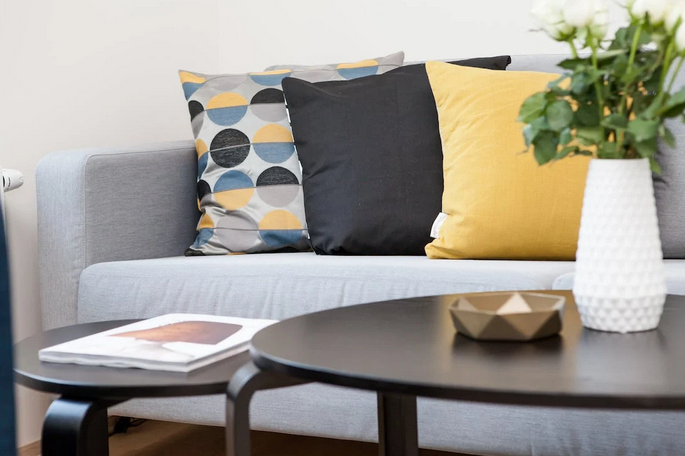
 Another way that good design can positively impact your life is by telling the world who you are. Your home should reflect your style and taste, and it should be a representation of who you are as a person. When you have a home you love, it will be easier to relax and feel comfortable in your skin. Moreover, your home can be a source of pride and a place where you entertain guests and make lasting memories.
 One of the most important aspects of any room is traffic flow. This is the path that people take when moving through space. You should always think about traffic flow when designing a room, mainly if you use the room for entertainment.
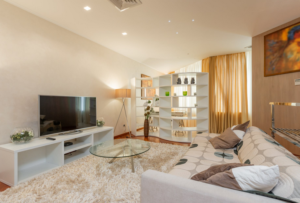 If you are using your living room as a home theatre, it is essential to focus on the TV. However, if you are using the space for other purposes, you should avoid focusing on the TV. This can make the room feel cluttered and uninviting. Try to spread your furniture and use decorative pieces to add visual interest. In addition, color and lighting are two important aspects of any room. They can be used to create a certain mood or atmosphere in the space. If you are not paying attention to these elements, your room will not have the desired effect.


