
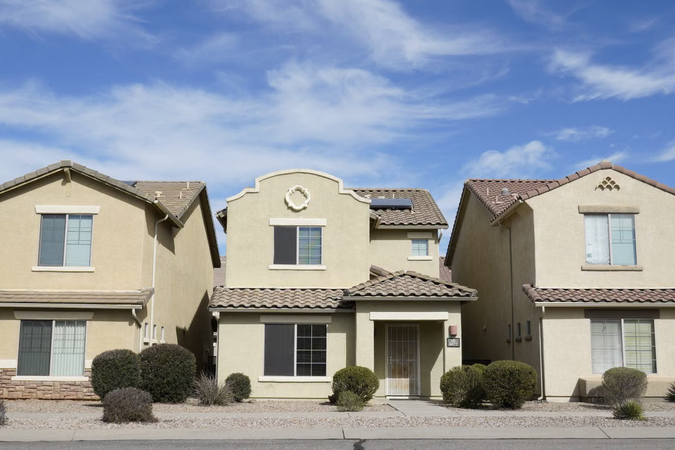
Prefabricated homes have become a popular option for homebuyers looking for quality, affordability, and faster construction times. While these homes were once viewed as a budget alternative to traditional houses, today’s prefabricated homes offer stylish designs, modern features, and impressive energy efficiency. As their popularity grows, many homeowners and real estate professionals are asking an important question: can prefabricated homes actually increase neighborhood property values? The answer depends on several factors, but many experts believe that well-designed prefab homes can positively impact surrounding properties when thoughtfully integrated into a community.
Growing Confidence in Prefabricated Housing
Recent discussions about the future of prefabricated housing have highlighted its growing role in residential construction. Industry experts featured in www.nn.de/ratgeber/nurnberger-experte-prognostiziert-comeback-fur-fertighauser-ab-2026-1.15144856 suggest that prefabricated homes are expected to gain even more popularity as buyers seek energy-efficient, cost-effective housing options. As public confidence continues to improve, neighborhoods with attractive prefab developments may benefit from increased buyer interest and stronger demand.
Modern Designs Appeal to Attract More Buyers
One reason prefabricated homes can positively influence property values is their appearance. Modern prefab homes no longer fit the outdated image that many people still imagine. They feature contemporary architecture, open floor plans, high-quality finishes, and customizable layouts that blend well with traditional homes. When new homes enhance the overall look of a neighborhood, they often make the area more attractive to potential buyers. A visually appealing community creates stronger first impressions, which can encourage greater demand and support healthy property values over time.
Energy Efficiency for Long-Term Value
Energy-efficient homes continue to attract buyers who want to reduce utility costs while living more sustainably. Many prefabricated homes are built with advanced insulation, high-performance windows, and modern heating and cooling systems that improve energy performance throughout the year. As energy costs continue to rise, buyers are placing greater importance on homes that can deliver long-term savings. Neighborhoods with energy-efficient housing often become more desirable because buyers recognize the financial and environmental benefits that these properties offer.
Quality Construction That Builds Buyer Confidence
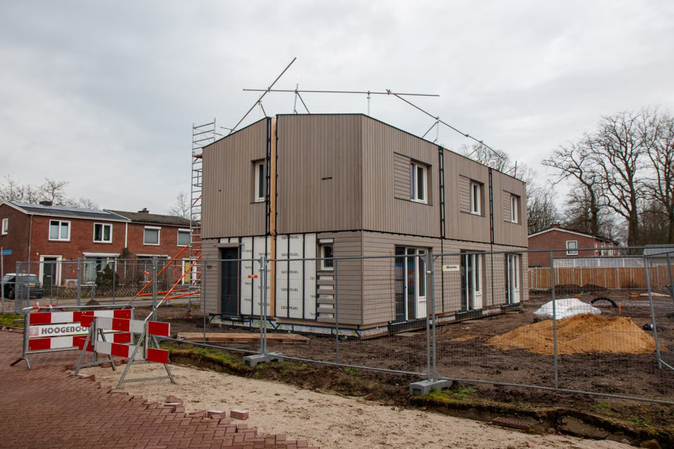
Many people are surprised to learn that prefabricated homes are constructed under carefully controlled factory conditions. This manufacturing process helps reduce weather-related delays and allows builders to maintain consistent quality throughout production. High construction standards help create durable homes that perform well for decades when properly maintained. As more buyers recognize the quality of modern prefabricated homes, confidence in these properties continues to grow. Increased buyer confidence can contribute to stronger resale values across the neighborhood.
New Developments to Revitalize Communities
Well-planned prefabricated housing developments can breathe new life into underused land or aging neighborhoods. New homes often encourage additional investment in local infrastructure, landscaping, parks, and community amenities. These improvements can make an area more attractive to both current residents and future buyers. As neighborhoods become more desirable, demand for homes may increase. Higher demand often supports stronger property values, benefiting homeowners throughout the community rather than only those living in prefabricated houses.
Location as an Important Value
Although prefabricated homes offer many advantages, location remains one of the biggest factors influencing property values. A beautifully designed prefab home in a desirable neighborhood with good schools, convenient transportation, and nearby services is more likely to appreciate than one in a less attractive location. Real estate professionals often emphasize that the success of any housing development depends on more than just the construction method. Market conditions, local demand, neighborhood planning, and ongoing community investment all contribute to long-term property appreciation.
Changing Perceptions to Shape the Market
For years, misconceptions about prefabricated homes affected buyer attitudes. Many people assumed they were lower in quality or had limited design options. Today’s reality is very different. Advances in manufacturing technology have produced homes that rival traditional construction in both appearance and performance. As these misconceptions continue to disappear, more buyers are viewing prefabricated homes as desirable long-term residences rather than temporary alternatives. This shift in public perception is helping strengthen their position within the real estate market and may contribute to rising values in neighborhoods where high-quality prefab homes are built.
Prefabricated homes have the potential to increase neighborhood property values when they are built with quality materials, attractive designs, and energy-efficient features. Combined with strong community planning and desirable locations, these homes can make neighborhoods more appealing to buyers and encourage long-term investment. As the market continues to evolve, prefabricated housing is becoming an increasingly valuable part of modern residential real estate.


